

Camp Program
•
Camp Program
•
Camp Program
•
Camp Program • Camp Program • Camp Program •
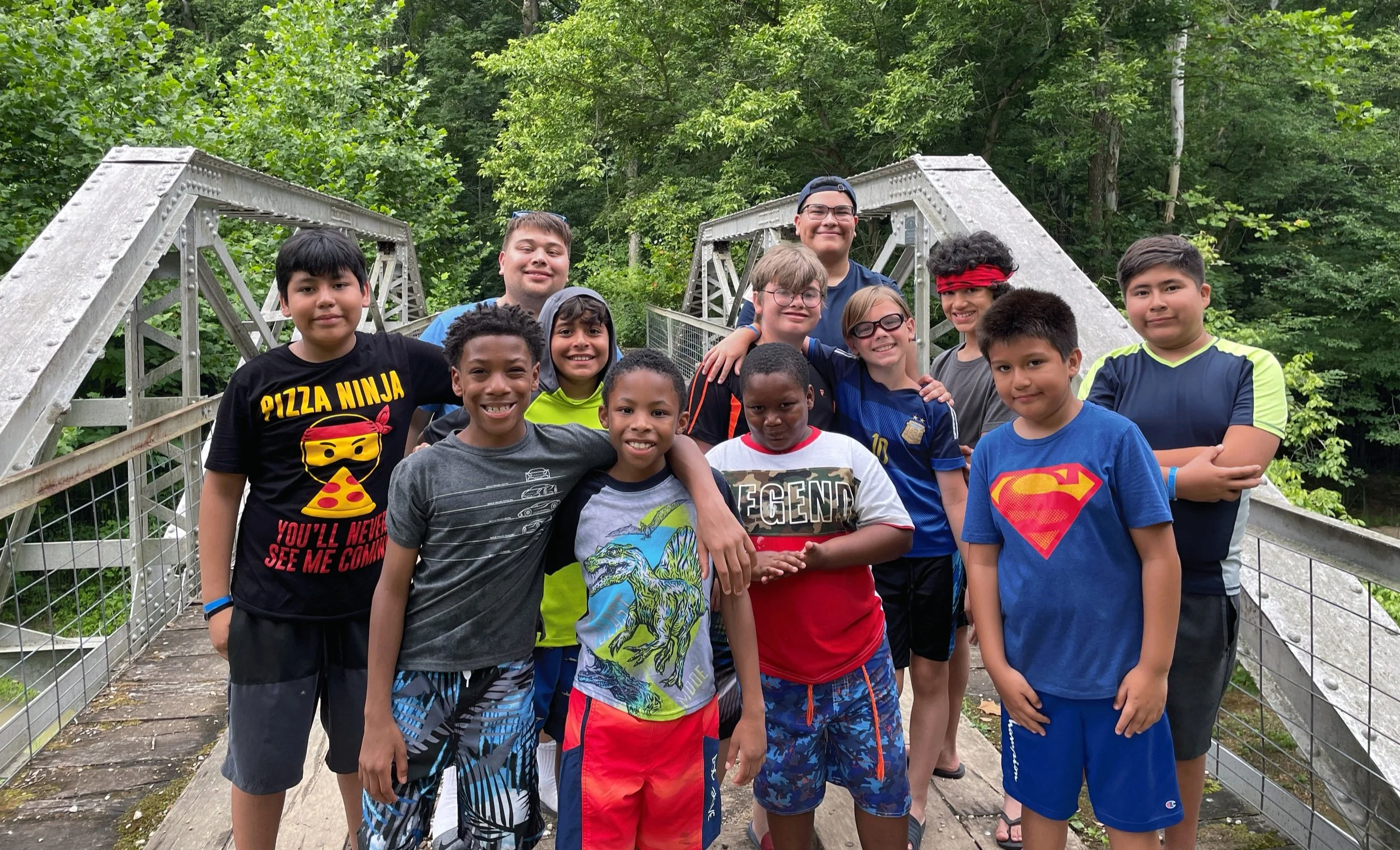
Creating Space for Growth, Adventure, and Reflection
ICI’s Camp Program gives children and youth the opportunity to step away from daily routines and experience something different. Through age-appropriate camping experiences, students build relationships, grow in confidence, and encounter moments of reflection and growth that are often hard to find in everyday life.
Camps are designed to be safe, relational, and intentionally paced—offering students space to try new things, build trust with leaders and peers, and experience creation beyond the city. Camp experiences are available to students enrolled in ICI programs across our service communities.
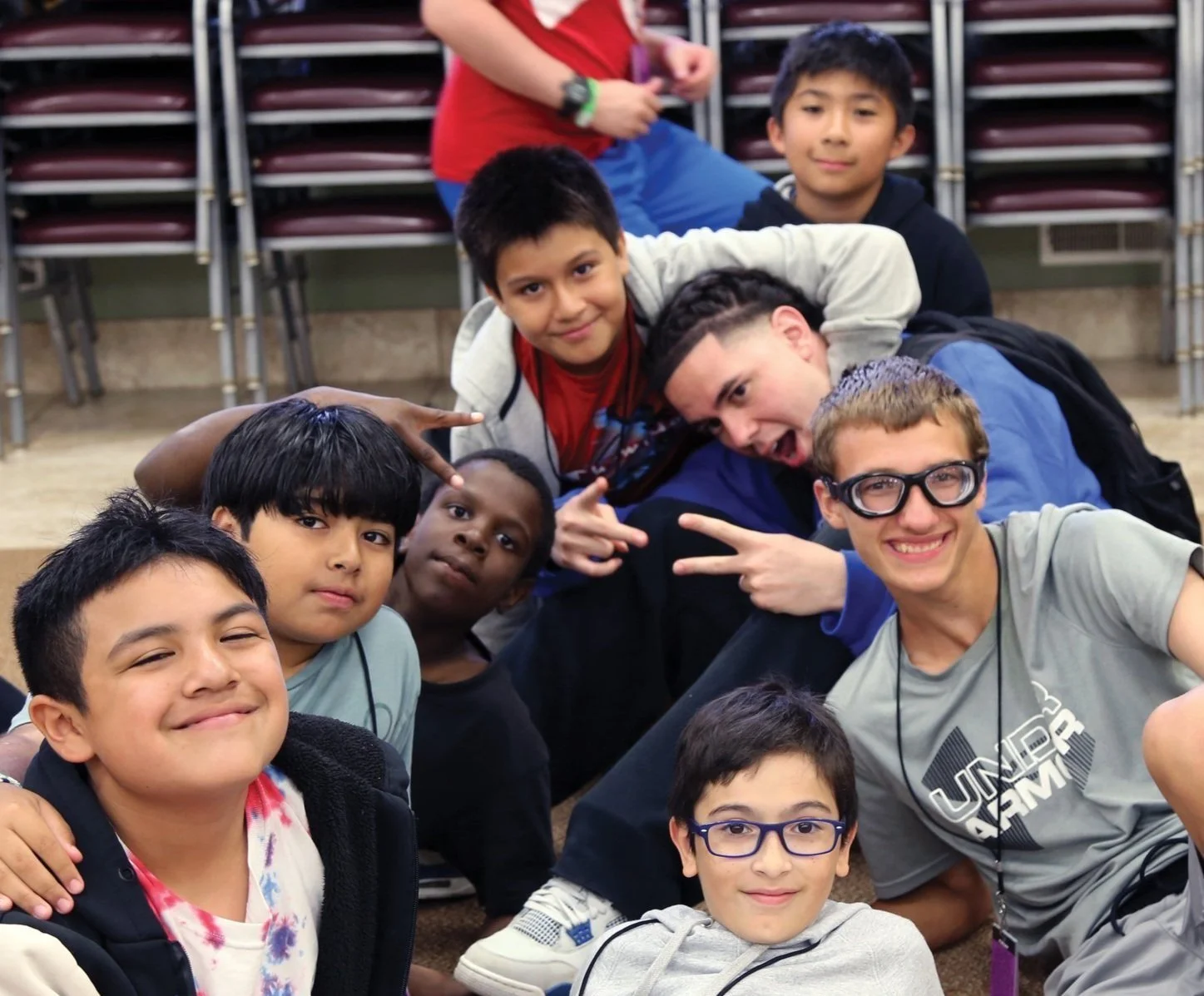
Types of Camping Experiences
ICI offers a variety of camping opportunities throughout the year, each designed to meet students at different ages and stages.
-
For students entering kindergarten through leaving 6th grade
Day Camp provides a structured daytime experience focused on fun, community, and growth. Students participate in games, activities, group lessons, and shared meals while building relationships with counselors and peers. These camps offer many students their first extended experience outside their neighborhood in a supportive, familiar format.
-
For students in 6th–8th grade
Adventure Camp builds on the Day Camp experience with added independence and challenge. Students engage in team-building activities, outdoor experiences, and guided conversations that encourage growth, responsibility, and connection with leaders.
-
Separate trips for K–3rd, 3rd–6th, and junior high/high school students
Tent camping trips introduce students to overnight camping in age-appropriate groupings. These experiences emphasize teamwork, shared responsibility, and adapting to new environments while fostering strong relationships among campers and counselors.
-
Separate sessions for 3rd–6th and junior high/high school students
Week-long camps provide extended time away for deeper relationship-building and reflection. Students experience a rhythm of activities, group discussions, and shared responsibilities that allow friendships and mentorship to develop more fully.
-
Historically for older students (typically 8th–12th grade)
While not currently offered every year, wilderness-style trips have provided older students with opportunities for extended hiking, outdoor challenge, and reflection in natural settings.
What Camp Looks Like Day to Day
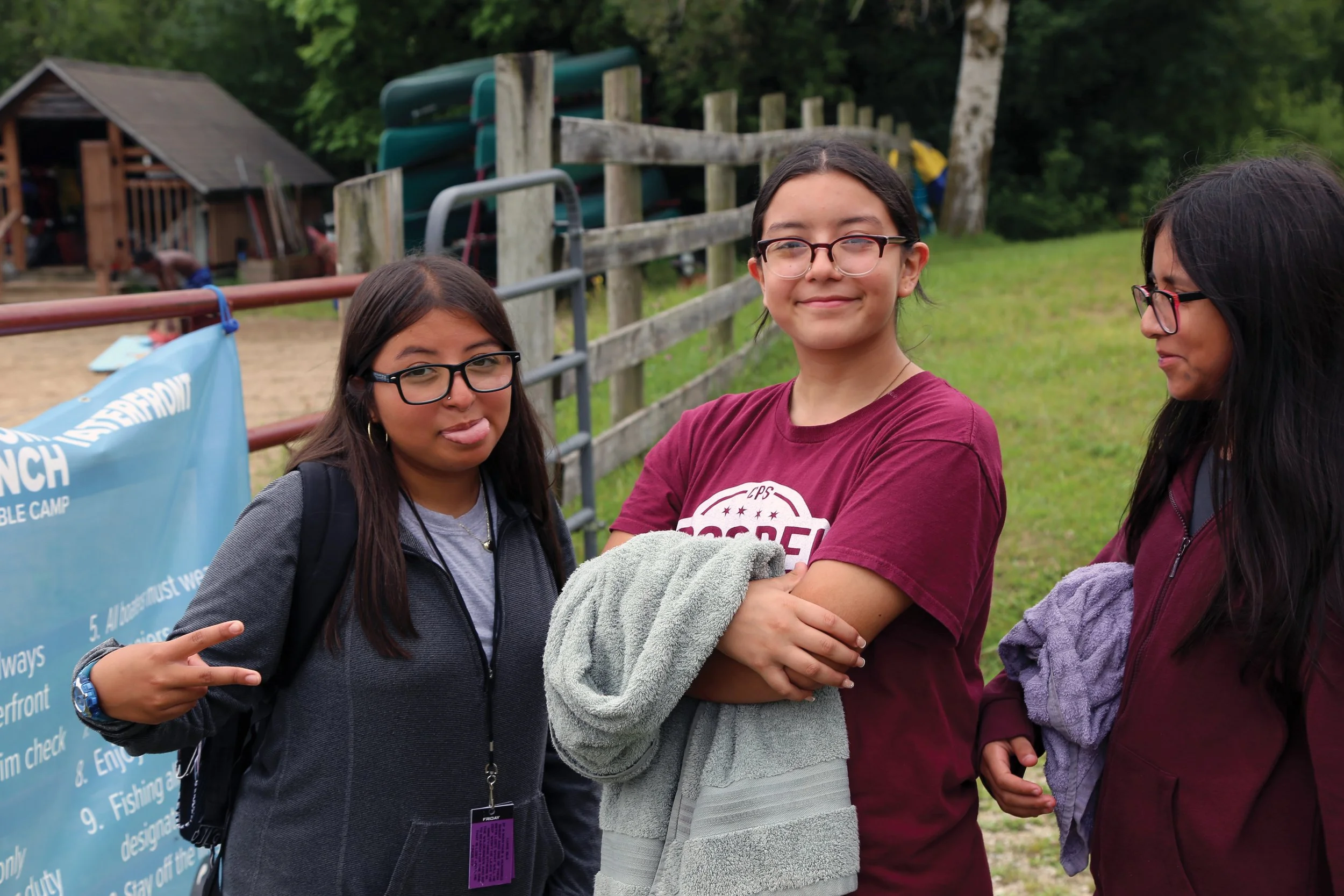
While each camp experience is different, common elements include:
Outdoor activities and group games
Teamwork and shared responsibilities
Guided conversations with trusted leaders
Time away from phones and constant digital distractions
Exposure to new environments and experiences
Faith is woven naturally throughout camp through Bible lessons, prayer, conversations with counselors, and the example set by leaders who give their time to walk closely with students.
When Camps Take Place
Most camping opportunities take place during the summer months (May–August), with additional winter and spring break camps offered as schedules allow. Specific offerings vary from year to year based on age groups, staffing, and program needs.
How Students Benefit from Camp

Through camp experiences, students are encouraged to:
Build confidence by trying new things
Develop teamwork and problem-solving skills
Strengthen friendships and trust with peers
Experience quiet, reflection, and rest away from daily pressures
Grow through meaningful conversations with caring adults
For many students, camp becomes a defining experience that shapes how they see themselves and what they believe is possible.